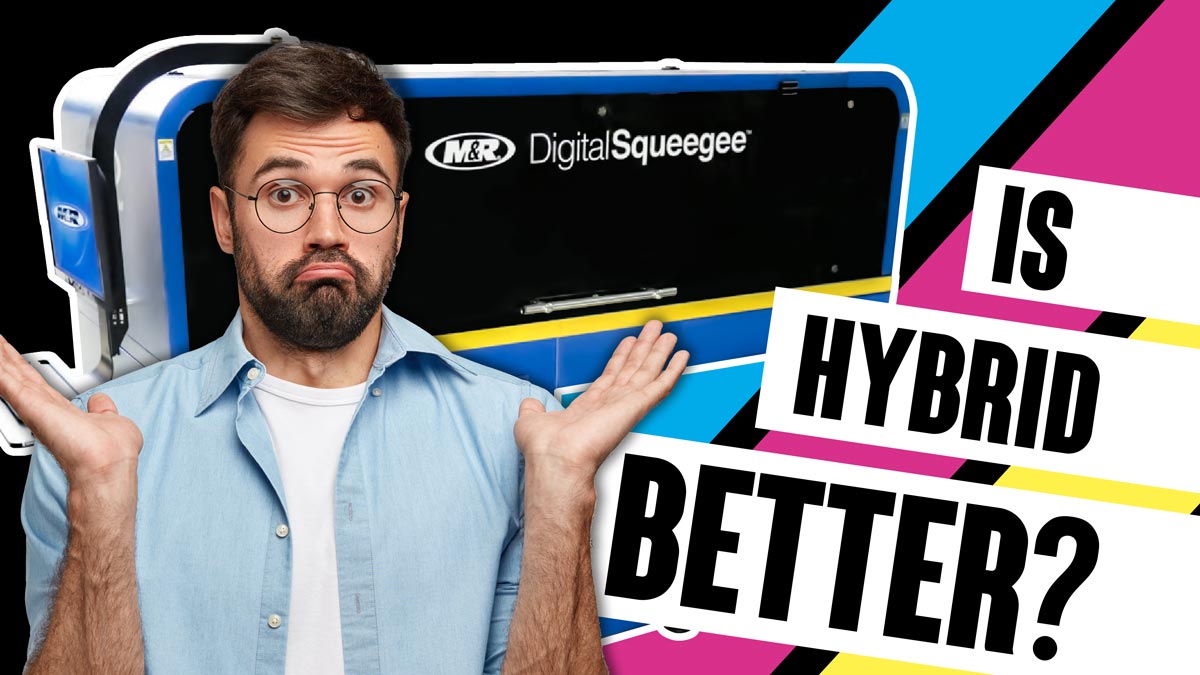
In 2004, we were running manual presses, literally pulling squeegees by hand. By 2010, we'd upgraded to automatic rotary presses. Around 2015, we started hearing about this Digital Squeegee thing from M&R. Skeptics said it was a gimmick. We drove to see a demo, watched a full-color photo print come off the press, and wrote a check. Sometimes you just know.
What Changed, And What Didn't
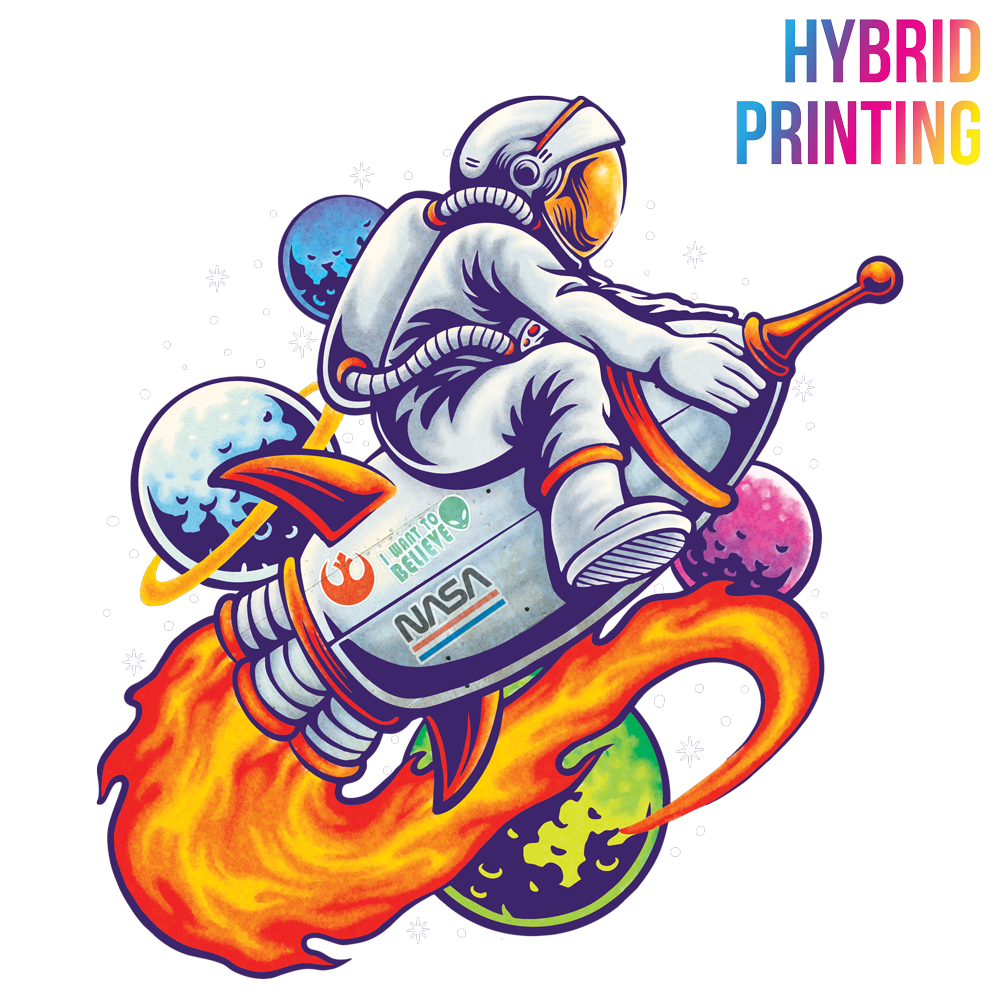
Back in 2015, if someone walked in with a design featuring 47 colors, gradients, and photographic elements, we had two options: tell them to simplify, or quote something ridiculous for 12-color simulated process. Most customers simplified. The artwork they really wanted? Stayed on the computer.
Now we run those designs daily. Full color, photographic quality, no compromises. The customer who wanted their entire album cover reproduced at actual album-cover quality? Done. The streetwear brand with the watercolor design that traditional screens would've destroyed? No problem. The barrier between "what you want" and "what's printable" basically disappeared. For smaller orders or polyester fabrics, our DTF digital printing fills the gaps hybrid can't reach.
Why We Bet on Hybrid Early
Twenty-two years watching this industry taught us to spot genuine shifts versus passing fads. Hybrid printing wasn't trendy. It solved problems we'd been fighting for a decade:
- Customers stopped accepting "simplify your design": Instagram and Pinterest trained everyone to expect visual complexity. A 3-color logo looks dated when your competitor's merch has gradients and photo prints.
- The Amazon effect hit custom apparel: People expect things fast. Traditional screen setup (burning screens, mixing inks, registration) takes time. Hybrid cuts that dramatically. We can quote faster turnarounds without cutting corners.
- Every shirt gets photographed: Your customer posts that concert tee on social media. A thousand people see it. If the print looks cheap, that's your brand's first impression. Quality became non-negotiable.
- Waste matters now: Our old process generated chemical waste, ruined screens, test prints that went straight to the trash. Hybrid uses water-based CMYK inks, minimal screens, and produces way less waste. Our press operators appreciate not breathing solvent fumes.
"We could've kept running traditional screens exclusively. The profit margins were fine. But watching customers compromise on their designs? That bothered us. Hybrid was the fix."
Where This Goes Next
Every year the technology improves. Faster print heads. Better ink adhesion. Wider color gamuts. We're watching developments in textile printing that would've seemed like science fiction when we started, and we'll invest in whatever genuinely improves the work we do for customers.
But some things won't change. We'll still answer the phone when you call. We'll still walk you through options honestly instead of upselling. We'll still stress about getting your order right. The technology evolves; the relationship doesn't.
What We Promise
Whether you're ordering 72 shirts or 7,200, you get the same attention. We've printed for Fortune 500 companies and one-person startups. The order size doesn't change how much we care about the result. You trusted us with your design. That means something.
Come Build Something With Us
If you've got a project in mind, new brand launch, merch refresh, corporate order, whatever, we'd love to hear about it. Sometimes the best way forward is a quick phone call where we ask the right questions and figure out together what makes sense.